22/10/2026 17:13
Measure Before Choosing? YouTube Playlist Order for Cambodian Curtain-Rod Shops
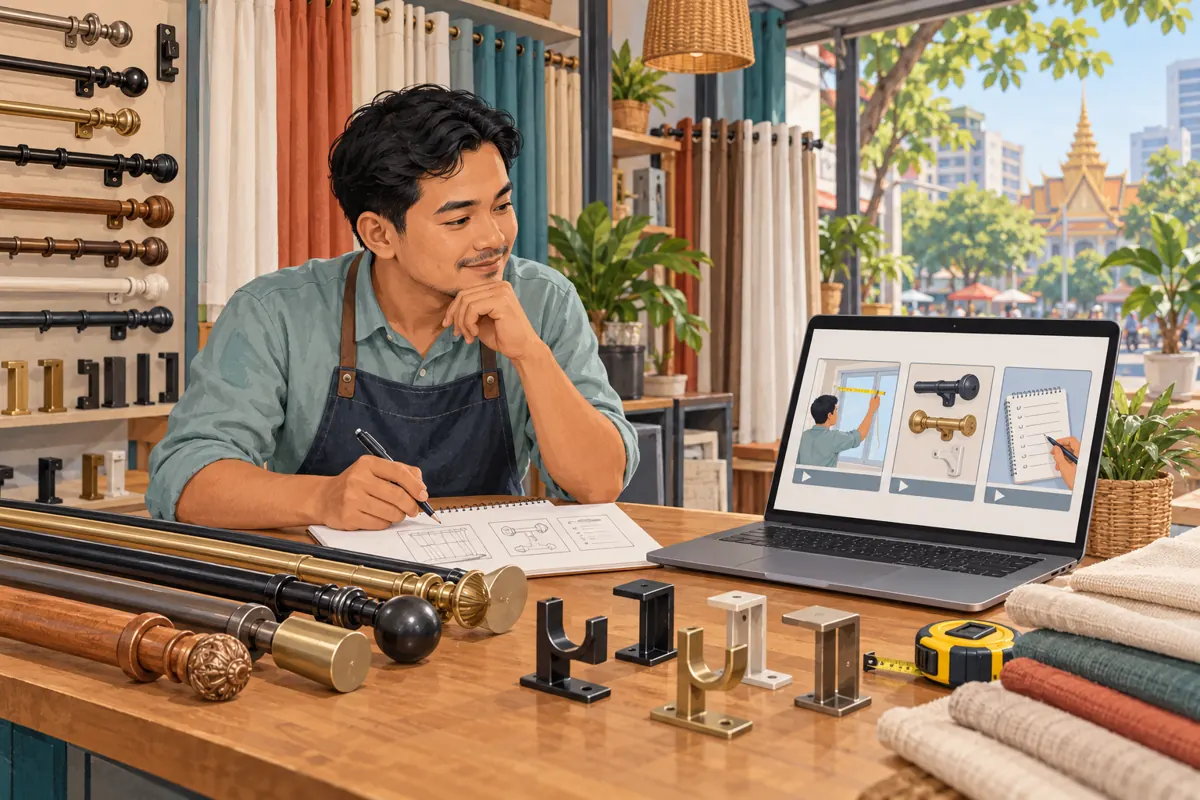
A curtain-rod shop can have useful videos and still send customers through them in a confusing order. A buyer sees decorative finishes before learning which measurements the shop needs, then asks for a price without enough information. A carefully arranged YouTube playlist gives those separate explanations a practical sequence. For Cambodian shops promoting demonstrations through social posts and customer conversations, the objective is to help people prepare a clearer enquiry. This guide explains how to choose the sequence, check that it stays saved, maintain it when products change, and evaluate SMM-panel claims without confusing purchased engagement with customer understanding.
1. Give the playlist one buyer task
Start with a sentence describing what someone should be able to do after using the guide. For example: prepare the information needed to ask about a curtain rod for one window. That boundary helps you decide what belongs. Measuring explanations, bracket comparisons and an enquiry example may fit. A general shop tour, a seasonal fabric sale and a decorative installation montage probably belong elsewhere.
In a hypothetical Phnom Penh shop, staff repeatedly receive attractive room photographs without knowing which window needs a rod. The playlist should therefore begin by explaining how to identify the opening and photograph the surrounding space. It should not begin with the newest finish simply because that video was uploaded yesterday. This is an editorial decision based on the shop's recurring questions, not a claim about how YouTube ranks playlists.
2. Arrange videos by what the buyer needs to know next
Write each proposed video subject on a separate card. Beside it, note what viewers must already understand. A bracket comparison may assume they know whether they are replacing existing hardware. A finish comparison may assume they have identified a suitable product family. Move those prerequisite explanations earlier. Leave out any video that introduces a different shopping task without helping the current one.
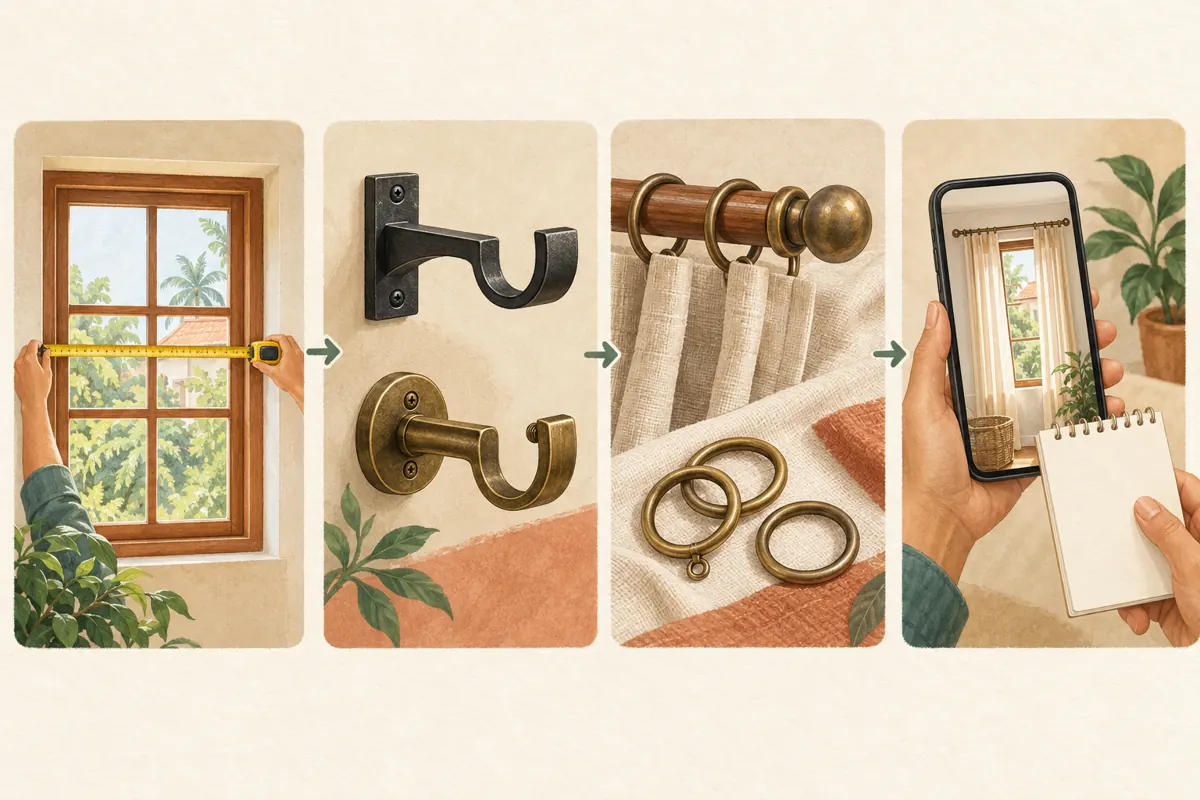
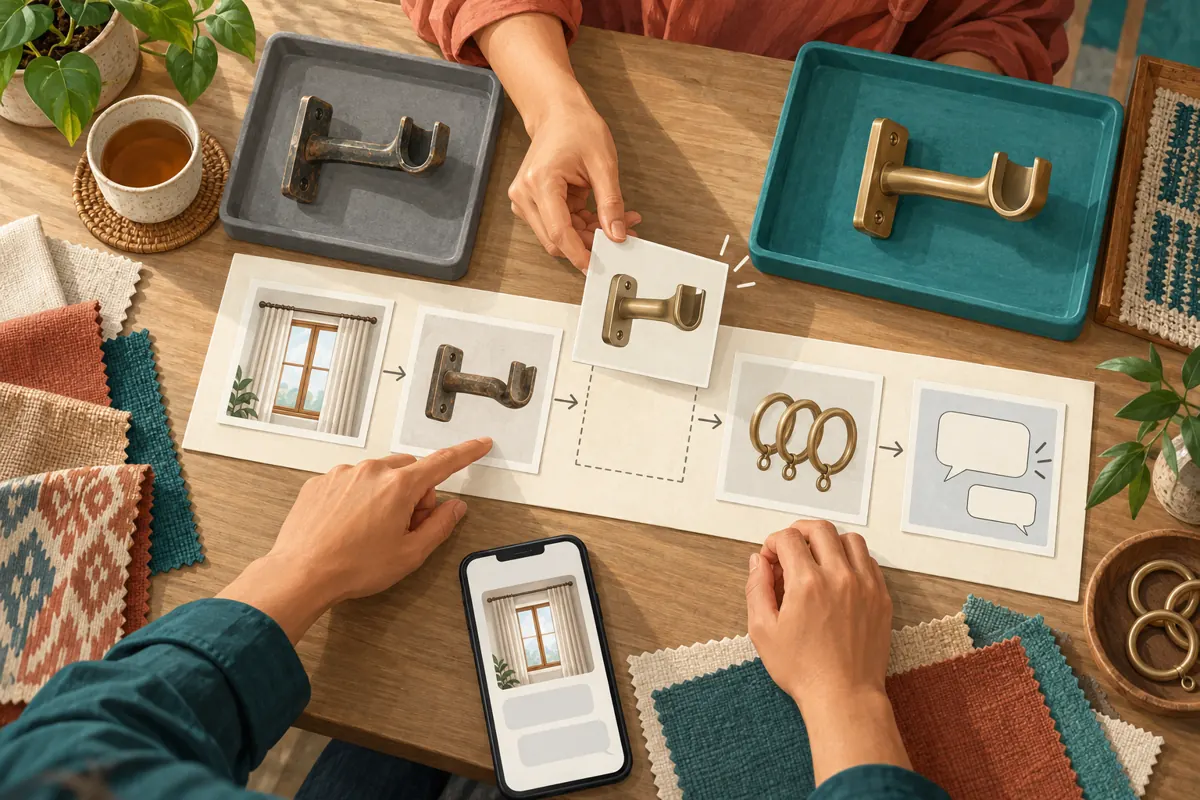
A hypothetical starting sequence is: identify the window and requested measurements; show existing fittings and surrounding clearance; compare relevant rod and curtain-ring options; prepare an enquiry. These are planning examples, not installation specifications. The shop should explain its own measurement requirements and leave final suitability to an appropriate assessment. Each video should also briefly identify its purpose, because viewers may enter midway through the playlist rather than follow every item from the beginning.
3. Save the intended order, then reopen it
YouTube's desktop instructions say to open the playlist and drag videos up or down to reorder them. They distinguish this from dragging items in the watch-page playlist panel, which temporarily changes playback order. The same guidance says reordering is unavailable for playlists containing only Shorts. Use the documented playlist-editing route for this workflow. [YouTube playlist guidance](https://support.google.com/youtube/answer/57792?hl=en).
After arranging the videos, leave the page and reopen the playlist. Compare its first item and subsequent sequence with your planning cards. This simple check catches a particularly frustrating mistake: believing a temporary viewing arrangement has become the shop's saved guide. Record the intended order in a short working note so another staff member can check it later. If the reopened sequence differs, resolve that discrepancy before sharing the guide in a promotion.
4. Make every title useful outside the sequence
A title such as Part Two asks the viewer to remember information that may never have reached them. Prefer a specific subject, such as Existing Curtain Brackets: Photos to Send Before Asking for a Replacement. A small sequence number can help if the order is stable, but the subject should remain understandable without it. Avoid putting an essential product distinction only in the thumbnail.
For a Cambodian audience, choose the spoken and written language according to the customers the shop serves. A Khmer explanation can retain a genuine product code while showing the relevant component clearly. Keep measurement units consistent across the series and explain any abbreviation. Ask a colleague to read the titles alone and describe the expected journey. If they think the playlist is an installation tutorial when it only prepares an enquiry, revise the wording before promotion.
5. Test the guide as a visitor would encounter it
Use the exact link intended for the promotional post, then open it on a second device or in a browser where the shop account is not signed in. Check what actually appears first, whether the intended videos are available, and whether the next subject is easy to find. A tidy editing screen is not enough evidence that the shared journey works. Keep customer photographs and private conversations out of test material.
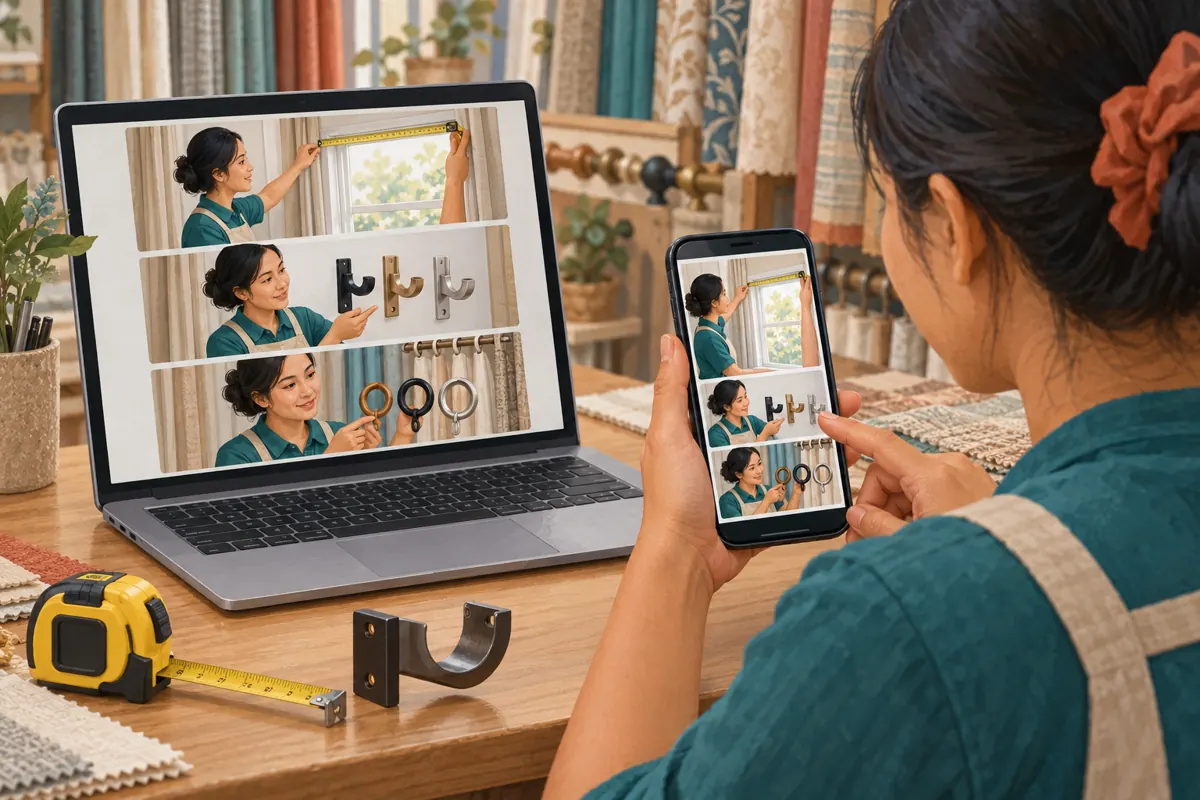
In a hypothetical Siem Reap shop, a colleague tests the guide on a phone while the owner checks it on a laptop. The colleague can follow the sequence but cannot distinguish the two bracket examples in one thumbnail. That is a presentation problem worth fixing before wider promotion. Ask the tester to complete a concrete task: explain which photographs and measurements they would send. Their answer is more useful than a general comment that the playlist looks professional.
6. Match the promotional promise to the playlist
The accompanying social post should explain who the guide helps and what it covers. A hypothetical caption might say: Planning a curtain-rod enquiry? Start with our guide to window photographs, requested measurements and product options. That promises preparation rather than a confirmed price or a universally suitable product. Use a preview image that represents the guide's opening task, rather than an unrelated premium installation.
Decide whether the recipient needs the whole guide or one answer. Someone starting from scratch may benefit from the playlist. Someone asking only about an existing bracket may need the relevant video first, with the complete guide offered as additional context. Keep the playlist link and individual video links clearly named in the team's working notes. Do not assume that every shared video link will present the full sequence in the way you intended; test the actual destination.
7. Review SMM services against the real task
The supplied catalogue includes the exact public name YouTube - Views ~ 𝗥𝗘𝗙𝗜𝗟𝗟 240D ~ 20k-50k/Days ~ [ 𝐒𝐨𝐮𝐫𝐜𝐞: Suggested + External ] ~ INSTANT. Its separate description is empty. Treat the wording as a catalogue label, not verified evidence of delivery methods, timing, retention or official affiliation. Nothing supplied establishes that it supports playlists, reaches Cambodian buyers, or makes viewers continue through a sequence.
YouTube prohibits artificially increasing engagement and explains that a hired promoter's actions can affect the channel. Artificial traffic may be excluded, and violations can have enforcement consequences. [YouTube fake engagement policy](https://support.google.com/youtube/answer/3399767?hl=en).
Before considering any service, identify the method, accepted target and policy compatibility. If those cannot be established, do not proceed. Purchased engagement is not evidence of genuine interest, sales, ad delivery or Cambodian users. For this workflow, useful spending may instead mean improving an unclear demonstration or commissioning an accurate translation; do not assume either service exists in the supplied catalogue.
8. Review understanding without inventing conversion claims
Choose a small set of practical observations before sharing the guide. Do subsequent enquiries identify the window? Do customers include the requested photographs? Which explanation still causes confusion? Record these observations without attaching unnecessary personal details. A customer sending complete information is a useful business event, but it does not by itself prove that the playlist caused the improvement.
A hypothetical staff note might read: A customer referred to the bracket video and supplied a clear photograph, but still confused opening width with the proposed rod length. The next editorial action is specific: clarify that distinction in the measurement explanation. Avoid turning isolated conversations into percentages or claims about all Cambodian buyers. Keep any promotional purchase records separate from these observations. A service marked delivered and a customer who understood the guide are different facts requiring different evidence.
9. Maintain the sequence when products change
Assign one person to review the guide whenever a featured product, measurement requirement or enquiry route changes. Inspect the affected lesson and its neighbours. Replacing a bracket video may leave the next video referring to a sample that no longer appears. Adding a new product demonstration at the beginning may interrupt the preparation task even if the video itself is accurate.
Keep a compact change record: what changed, why, which item should come before it, and who checked the shared link afterward. Remove obsolete examples from the buying sequence when they could mislead customers, while deciding separately whether the underlying video needs correction or retirement. Avoid rebuilding the entire guide merely to make it appear fresh. The useful test is whether the current sequence still helps someone reach the stated outcome with accurate information.
10. Catch the mistakes that make a guide harder to use
A common mistake is sorting the guide around the shop's production history. Upload dates describe when footage was published; they do not explain what a buyer needs first. Another is collecting every vaguely relevant video until the playlist becomes a catalogue. Cut anything that adds a new decision without helping viewers complete the chosen task. A separate browsing collection can serve a broader purpose.
Also watch for conflicting units, unexplained model changes and repeated introductions that delay the useful detail. Do not imply that viewers must finish every video before asking a question. Provide an obvious route for uncertainty, especially when a customer's existing fittings differ from the examples. Finally, do not interpret a higher view count as proof that the sequence works. The guide earns its place by making information easier to use, with customer outcomes assessed on their own evidence.
Frequently asked questions
Should our newest product video always come first?
Only if it answers the first question in the playlist's stated task. A new finish demonstration may be useful later, after viewers understand the relevant product options. If the shop wants a collection of recent arrivals, give that collection a separate purpose instead of disrupting the enquiry guide.
What if we have only two useful videos?
Use two if they genuinely help complete the task. There is no editorial benefit in adding weak material to make the guide look substantial. If an essential explanation is missing, identify that gap and create a focused video or narrow the playlist's promise to what the available material actually covers.
Will viewers always follow our chosen order?
Do not plan on that assumption. People may open a shared individual video, skip subjects they already understand, or stop when they have enough information. Give each lesson a clear purpose and enough context to stand alone. The sequence should offer a helpful route while allowing customers to ask questions at any stage.
Can a view service show that Cambodian customers completed the guide?
No. The supplied service information does not establish Cambodian audience origin or completion of a playlist. A delivery record cannot demonstrate comprehension or purchasing intent. Evaluate platform compatibility before considering a service, and assess useful enquiries separately through the information customers voluntarily provide.
How should we respond when customers still send incomplete enquiries?
Ask which detail is missing and whether the guide explained it clearly. Send the relevant lesson with a short, specific request, such as a photograph of the existing bracket. If the same misunderstanding recurs, revise that explanation. Do not assume the customer ignored the guide or needs to watch the entire sequence again.
Explore the current service catalogue, create an account, or ask a specific question through support tickets.
Prepared with AI assistance. Illustrations explain the workflow and do not represent customer results.